Table Of Content
Called the friendship plant due to the ease with which cuttings can be grown at speed into plants that can be gifted. Likes indirect low levels of light and occasionally flowers with a pretty little pink flower. Also holding most of their toxicity in the bulb, tulips can cause vomiting, depression, diarrhea, hyper-salivation. If too much is eaten, cats can suffer convulsions, tremors cardiac arrhythmias, and more.
More in Gardening
Make sure to check out our guide to the best indoor plants for every home and skill level if you need more plant-specific guidance. If you suspect that your cat ate a toxic plant, contact your veterinarian or animal poison control right away. Be prepared to identify the plant or give as much information as possible to help whomever you contact so they can identify the plant. Orchids (Orchidaceae spp.) offer a unique option for pet parents wanting to add a touch of sophistication into their home while still considering their cat's safety. While orchids usually bloom only once a year, their flowers stick around for several months.
Quick reference advice about plants, flowers and poisoning
Due to the high fiber content, cat grass can even aid with digestion and (fair warning) help cats work out hairballsopens in a new tab. Shop our list of the top seven cat grass grow kitsopens in a new tab. They like a bright light to come into bloom but dislike direct sunlight that might scorch fragile leaves. They like room-temperature tap water once their compost dries out and regular fertilizing with plant feed. They need moist and highly humid conditions to thrive and prefer bright indirect light.
What are the signs of plant poisoning in my cat?
Vomiting, change in energy level and/or anti-social behavior, diarrhea, abdominal pain and tenderness, excessive drooling, lack of appetite, shaking, and tremors. All parts of the Amaryllis plant contain a phenanthridine alkaloid, which if ingested, may cause vomiting, a drop in blood pressure, and shallow or difficult breathing. Ollie is a dog-first company providing fresh, healthy food for dogs of all ages, breeds, and sizes.

Some cats enjoy chewing on any kind of plant they have access to, regardless of whether it’s safe or not. Keep all toxic plants, like lilies, aloe vera, and snake plants away from cats. A popular houseplant that can grow two to six feet tall indoors in pots. Originating from Mexico and Guatemala, this little palm is popular because it grows well in low light conditions and at lower temperatures. These flowers are known to be particularly toxic to cats, and any part of them – even the water in the vase – can poison your kitty, causing kidney failure. Cats don’t even have to eat these to be effected – contact with the pollen can prove deadly.
The illness could start immediately after the cat eats part of this plant. Even though this is a common plant to use as décor in and around the house, avoid this type if you have a cat. While not generally dangerous to humans, all lilies are highly toxic to cats and certain varieties can be toxic to dogs as well. If ingested, lilies can cause gastrointestinal upset, depression, anorexia, and tremors. Of course, for the sake of your plants and your pets, you’ll want to keep all houseplants out of the general reach of your pets. If you have a specific plant in mind, the American Society for the Prevention of Cruelty to Animals (ASPCA) is a good resource for learning about plant toxicity for cats, dogs, and horses.
16 Houseplants That Are Safe for Cats - Bob Vila
16 Houseplants That Are Safe for Cats.
Posted: Tue, 12 Dec 2023 08:00:00 GMT [source]
Common houseplants that are toxic to cats
10 Easy-Care Indoor Plants That Are Safe for Cats - Better Homes & Gardens
10 Easy-Care Indoor Plants That Are Safe for Cats.
Posted: Tue, 23 Jan 2024 08:00:00 GMT [source]
A freelance writer for over 30 years, Audrey Stallsmith has specialized in garden-related nonfiction for the last 10 years. She has been writing for BobVila.com since October of 2020 and is also a mystery novelist and photographer. Speaking to professional gardener and BBC Gardener's World host Mark Lane, he is quick to point out just how toxic these plants are. While we provide information resources and canine education, the content here is not a substitute for veterinary guidance.
What grass is poisonous to cats?

As part of the nightshade family, tomato plants contain a substance called solanine that is toxic to pets—and even has some question if tomatoes are poisonous. The green vine and nonripened fruits are poisonous and, when consumed, can cause drooling, loss of appetite, severe gastro upset, slowed heart rate, and dilated pupils, notes the ASPCA. The smallest of ingestions, the Lilium and Hemerocallis sp., are potentially fatal and will likely result in severe, acute kidney failure. Symptoms may include increased thirst, trouble urinating, no urine production (anuria), vomiting, not eating, lethargy, weakness. Whereas benign or less toxic lily varieties include Peruvian, peace, and calla lilies that aren’t responsible for causing the same life-threatening issues as the Lilium and Hemerocallis species.
Does Health Monitoring Cat Litter Work? Vet Reviewed Facts & FAQ
In her free time, Dr. Washington enjoys travel, good food, and good enough coffee. Some cats enjoy the taste and texture of houseplants, so they enjoy munching on them. It’s up to cat parents to ensure that their cat doesn’t have access to unsafe houseplants. Officially named Hypoestes phyllostachya, it’s easy to see where the punnier name came from.
Calathea can thrive in nearly any home so long as they are kept in a humid, shady environment. Keep your plant at a temperature of above seventy degrees and place in a humid environment, like a bathroom. Calatheas also require lots of water, so water the plant about once per week, just be sure not to let the soil get dry. If you want an easy way to update your home for spring then it's best to opt for an artificial plant or perhaps a safer species.
Philodendrons are a perfect leafy plant to brighten up your home and are one of the top plants to boost your mood this winter. However, they're a huge threat to cats and other pets, similar to peace lilies their leaves are where the danger lies. When it comes to keeping our homes safe for our cats, our plant collections might have just slipped our minds. However, many species of houseplants are incredibly poisonous to our little whiskered friends and could be fatal should they inject any part of them.
If you suspect your cat has ingested poisonous plants, call your veterinarian immediately. If your veterinarian isn't available, call a pet poison control center. Sago palm is another highly toxic plant where all parts of the plant are deadly to cats. Unfortunately, the seeds are the most poisonous and most accessible part of the plant to eat compared to the prickly parts. In some cases, pets will show clinical signs as soon as 15 minutes after ingestion.
Crafty folks will enjoy putting together this 939-piece bouquet, which comes with eight species of wildflowers. Better yet, you can adjust the stems to tailor the bundle to your space. And if you really want to go big, combine this bouquet with Lego’s other flower-building set. The uniquely colored leaves of the rattlesnake plant are harmless, making it a safe choice for homes with feline companions. “Cats are very motivated when it comes to getting what they want,” says Melissa Rosen, D.V.M. at South Bellmore Veterinary Group in Bellmore, NY, noting their athleticism and acrobatic tendencies.
It must be noted that there are both benign and dangerous lily plants, and it’s important to know the difference. This common houseplant also contains the compound saponins (similar to Aloe and other plants on this list) and therefore can be toxic to your cat if ingested. Signs typically develop immediately if a cat bites or chews on this plant causing oral irritation. Extreme mouth irritation can lead to swelling of the tongue, lips, and face. Symptoms include excessive drooling, pawing at the face and mouth, crying out in discomfort, occasional vomiting, and difficulty swallowing may be seen on occasion.
All parts of the Cyclamen plant contain saponins, however, the tubers (the parts that are underground) contain the largest amount and therefore are the most toxic parts of this plant.
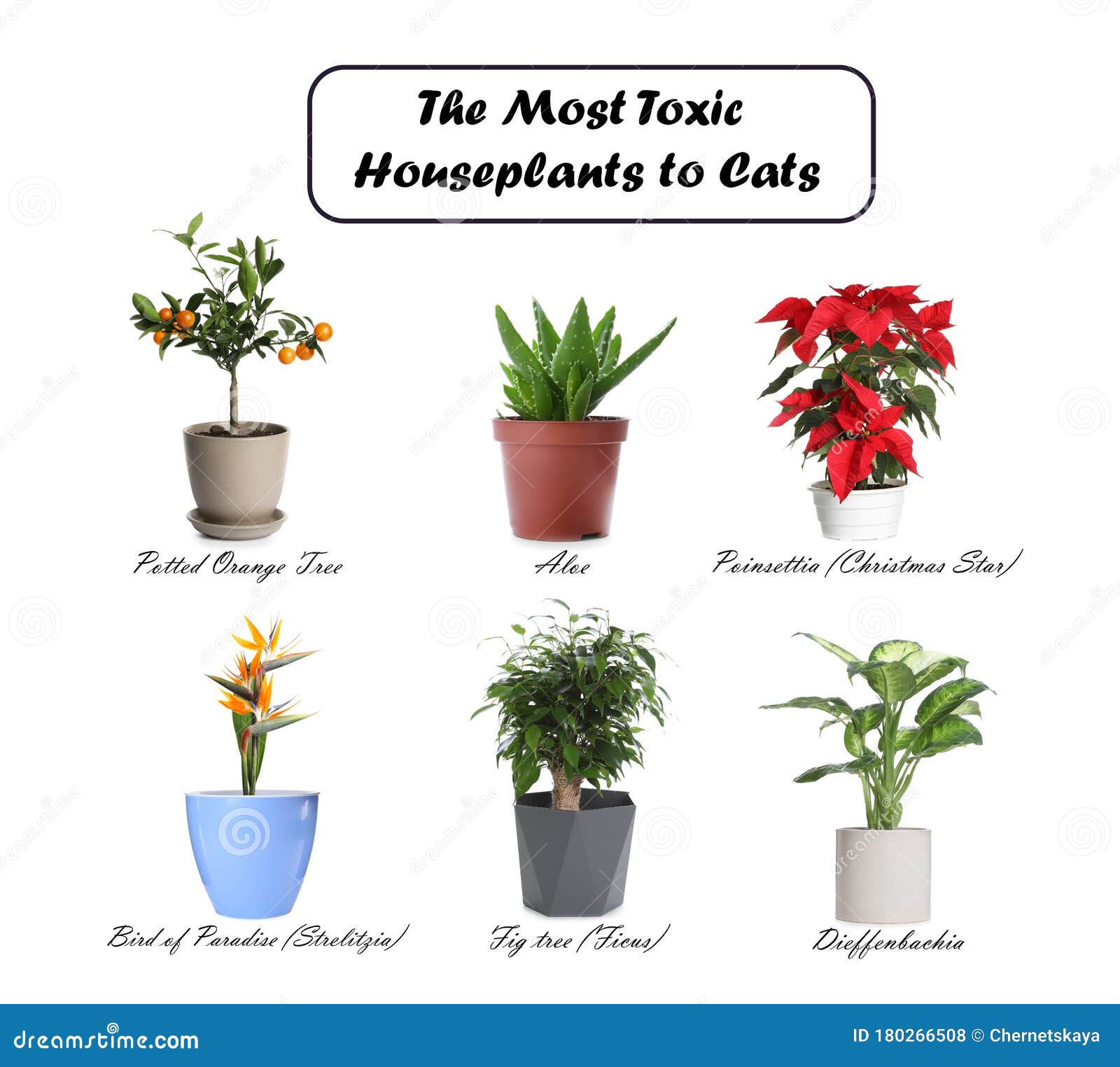
We’ve also provided suggestions for the perfect nontoxic replacements, as well as where to buy these plants online. While you’re at it, make sure to review the plants that are poisonous to dogs too. Plants can bring a room to life, and that’s likely what you’re thinking about when you buy them. But if you’re a pet parent, it’s important to double-check whether an indoor plant is toxic before bringing it into your home—or if these toxic plants are already in your home. In minor cases, plants toxic to cats can cause gastro upset or skin irritation, but in serious cases, they can lead to organ failure, seizures or even death. There are lots of beautiful house plants people commonly bring into their homes without knowing the potential dangers to their cats.


No comments:
Post a Comment